
Search Results for "layer‑0 infrastructure"

Ethereum Could be Bigger Than Bitcoin by Market Cap in 10 Years, says Raoul Pal
Although Pal still believes that Bitcoin is the perfect collateral layer, he believes Ethereum may overtake Bitcoin by market cap in 10 years.

Ethereum 2.0 Goes Live and ETH Plunges by 9%: Here’s What You Need to Know
Ethereum 2.0 Phase 0 has just launched today. Phase 0 of Ethereum 2.0, also known as the Beacon Chain will introduce a new consensus mechanism to the network.

Peertec Joins Hands with Penta Security for Blockchain-Enabled Infrastructural Security
Peertec, a leading blockchain-focused fintech firm, has revealed its strategic collaboration with Penta Security, a highly valued web and data security company. The partnership is expected to boost Peertec’s infrastructure security using blockchain technology. The safety of its GDAC cryptocurrency exchange and services is also expected to be strengthened.

China Updates Smart City Infrastructure with Blockchain-Based City Identification System
China Updates Smart City Infrastructure with Blockchain-Based City Identification System

IOTA Co-Founder: DLT is Ideal for Smart Infrastructure in the United States
As the world is moving on to the 21st century, there is growing interest in upgrading city systems, which would require new technology as a solution.
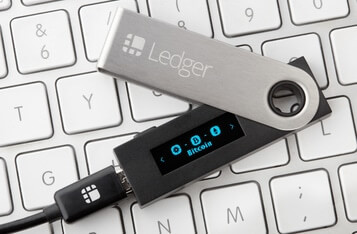
Ledger Will Provide its First Crypto Lending Partner YouHodler with Crypto Insurance
FinTech platform and crypto-backed loan service provider YouHodler has selected digital asset wallet provider Ledger Vault to be implemented across its platform, to offer its users an added layer of security and protection.

Vitalik Buterin Explains What’s Next for Ethereum after the ETH 2.0 Beacon Chain Launch
Ethereum 2.0 Phase 0, also known as the blockchain’s Beacon chain, was launched on Dec. 1. What's next for Ethereum after the launch?
China’s Tencent Will Invest 500 Billion Yuan in Blockchain and New Technology Infrastructure
Chinese tech giant Tencent Holdings, the owner of China’s messaging platform WeChat has announced that the company will be investing 500 billion yuan ($70 billion) in the next five years in emerging technologies including blockchain, artificial intelligence (AI), cloud computing, and cybersecurity. Tencent is aiming to strengthen the development of FinTech in China, following the push of accelerating the development of blockchain as stated by the country’s President Xi Jinping.

China to Build ‘Digital Central Bank’ Infrastructure, Striving to Become the World’s Leader in Digital Currency Development
China’s Central Bank, People’s Bank of China (PBoC) is planning to look into building a digital central bank infrastructure to improve the standards of financial services in the country. On May 18, the Chinese Central Bank’s 2020 video conference on scientific and technological work was held in its capital, Beijing. The meeting focused on the technological achievements made in 2019, an in-depth analysis of the current situation and challenges, and the upcoming key plans for 2020.

Huobi Joins State-Backed Blockchain Alliance in China to Provide Blockchain Infrastructure Services
In the first-ever Blockchain Service Network Partner Conference hosted by the National Information Center and Hangzhou Municipal People's Government in China, it was announced that cryptocurrency exchange Huobi has joined the Blockchain Services Network (BSN), an alliance initiated by the State Information Center (SIC).

The Future of Blockchain Is Regulated, Permissioned And Decentralized
Blockchain has come a long way since it was first proposed as the technology powering Bitcoin’s distributed ledger. Since then, it has come to be understood as a technology that exists in its own right, as the base layer of second generation blockchain networks that are the foundation for all kinds of decentralized applications, or dApps.
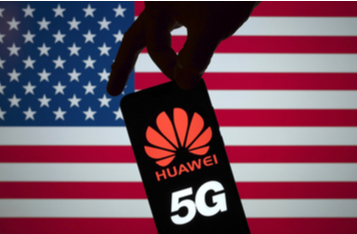
Trump Administration Wants Clean 5G Networks Free of China State Actors
Mike Pompeo, Secretary of State for the Trump administration has announced the expansion of the Clean Network program, outlining five new lines of defense to protect America’s critical telecommunications and technology infrastructure from untrusted Chinese state-owned enterprises like Huawei and ZTE.