Search Results for "blockchain traceability"

How Can IBM’s Blockchain Network Support $2 Trillion in Product Logistics by 2023?
IBM Blockchain has been around for several years, delivering on blockchain projects for enterprises in areas such as trade finance, securities, payments and supply chain traceability, as well as establishing new platforms for businesses and improving efficiencies in existing industries. Alan Lim, one of the initial members of the IBM Worldwide Blockchain team, heads IBM Blockchain Labs in the Asia Pacific. Lim kicked off his journey in blockchain as he was curious about how blockchain was being used in solving some real-world challenges.
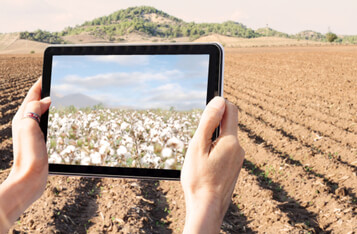
Blockchain Enhances Traceability of Organic Cotton from Farm to Consumer
Fashion for Good, PVH Corp, C&A Foundation & Organic Cotton Accelerator, Bext 360, and Zalando have successfully collaborated on a blockchain pilot project that traces organic cotton from farm to consumer.
Australian Farmer Teams Up with FreshChain for Watermelon Traceability via Blockchain
Andrew Martens, an Australian owning Marto Farms, has joined hands with Fresh Chain Systems, a local tech firm, in deploying blockchain technology on his watermelon labels to propel traceability. Buyers across Australia will, therefore, be able to trace the originality of the fruit.

Argentina Adopts Blockchain Technology for Traceability in the Citrus Industry
The citrus supply chain is one of the most fragmented and complex of all supply chains. The production is found all over the world, thus making several intermediaries and producers difficult to identify and trace. The Argentine Citrus Federation (Federcitrus) incorporated blockchain into the agency’s informatics system to provide traceability of fruit export products.
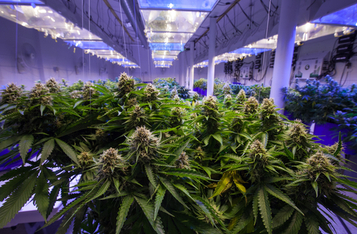
Netherlands CBD Producers Harness Blockchain Technology for Enhanced Traceability
A consortium of Netherlands CBD producers called the Cannabinoid Association of the Netherlands (CAN) is leveraging blockchain technology to enhance traceability, accountability, and transparency in the CBD market.

World Wide Fund for Nature in the Philippines to Create Blockchain-Powered Fish Traceability App
The World Wide Fund for Nature (WWF) Philippines has teamed up with UnionBank, a digital wallet, to create a blockchain-powered app dubbed Tracey to offer financial support to local fishers, as well as propel traceability and transparency in the fish supply chain.

Blockchain Adoption Wins Center Stage in Africa
Blockchain technology is continuously reigning supreme across the globe based on the distributed ledger network it avails, making transparency, immutability, and traceability inevitable.
CIMB Bank Singapore Collaborates with iTrust for First-Ever Blockchain Trade Financing
CIMB Bank Singapore and iTrust have collaborated in the first-ever successful blockchain trade financing transaction.

Dynasty Farms to Use Blockchain for Fresh Produce Traceability Project
Dynasty Farms/ Pacific International Marketing is set to use iTrade Blockchain to propel transparency and traceability of fresh produce. iTrade Network is a noteworthy worldwide provider of supply chain management solutions in the food and beverage sector.
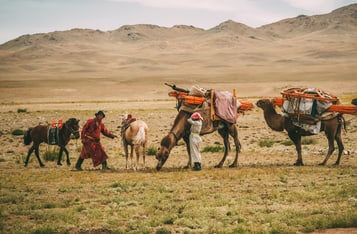
Canadian Blockchain Project to Assist Mongolian Nomadic Farmers Fight Income Instability
Convergence.tech, a Toronto-based digital transformation company, has finished a blockchain-powered project aimed at assisting Mongolian nomadic farmers maximize returns on their cashmere product.

Coffee Origin Traceability Propelled by Blockchain App
The traceability of coffee origin is set to be propelled through blockchain technology. For instance, a blockchain-enabled app known as 'Thank My Farmer' seeks to avail information about this to various consumers, such as millennials.
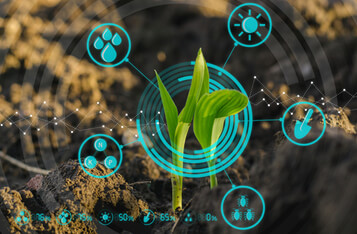
US FDA Calls Meeting on Blockchain, AI and the New Era of Smarter Food Safety
The FDA will hold a meeting on October 21st, with the aim of gathering input and feedback to help shape an FDA blueprint for the initiative. The FDA will propose leveraging modern technologies such as blockchain, artificial intelligence, and IoT to improve the transparency and decrease the risks of contamination in the food supply chain.
